2026-06-26
Pinterest Bag Lookbook Reference Path
Use this Pinterest bag lookbook reference path to connect saved bag images with hobo, crossbody, tote, top handle, source-code, and detail pages.
Bags · Multi-brand · Pinterest bag lookbook reference
Related Galleries
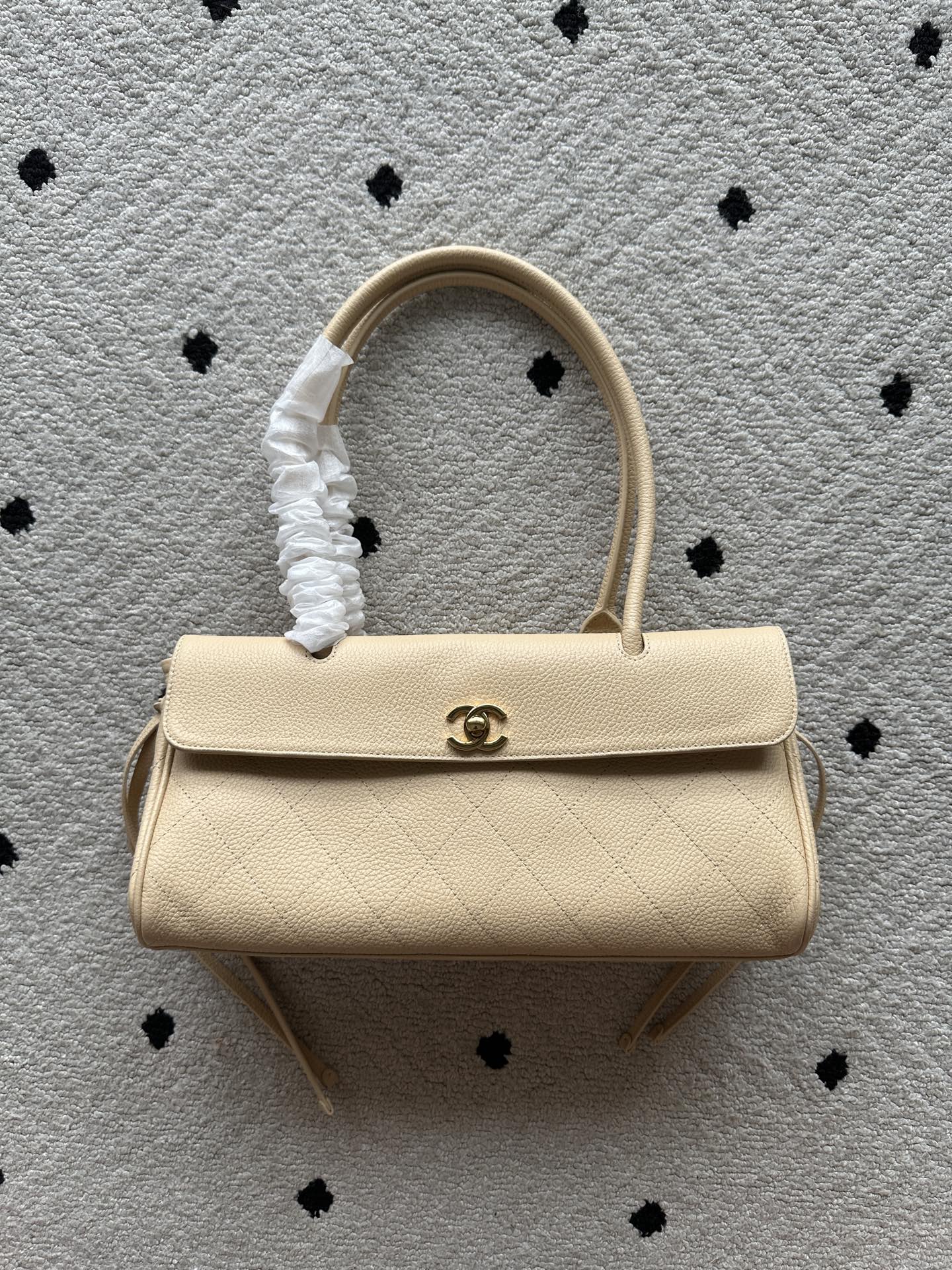
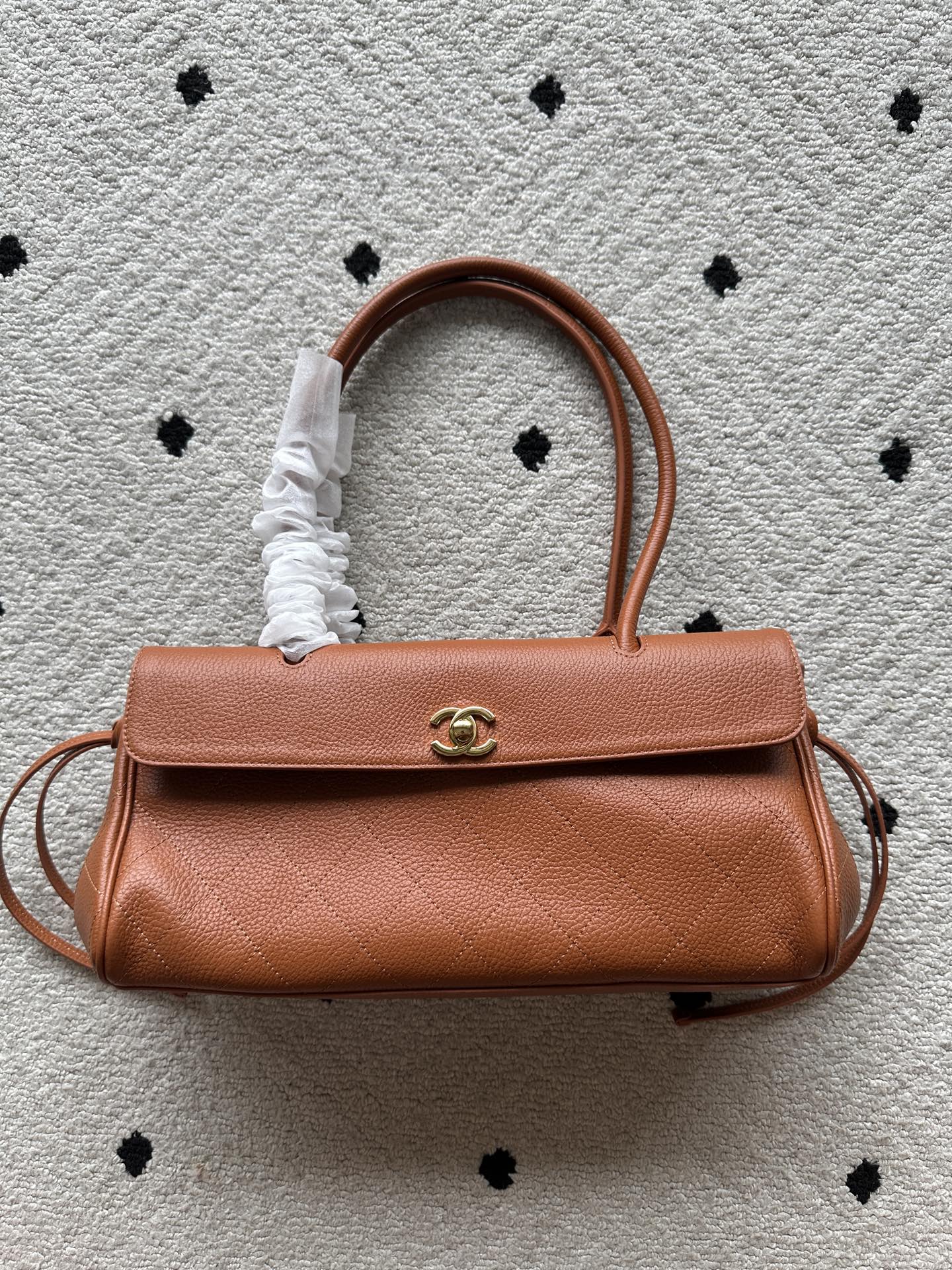
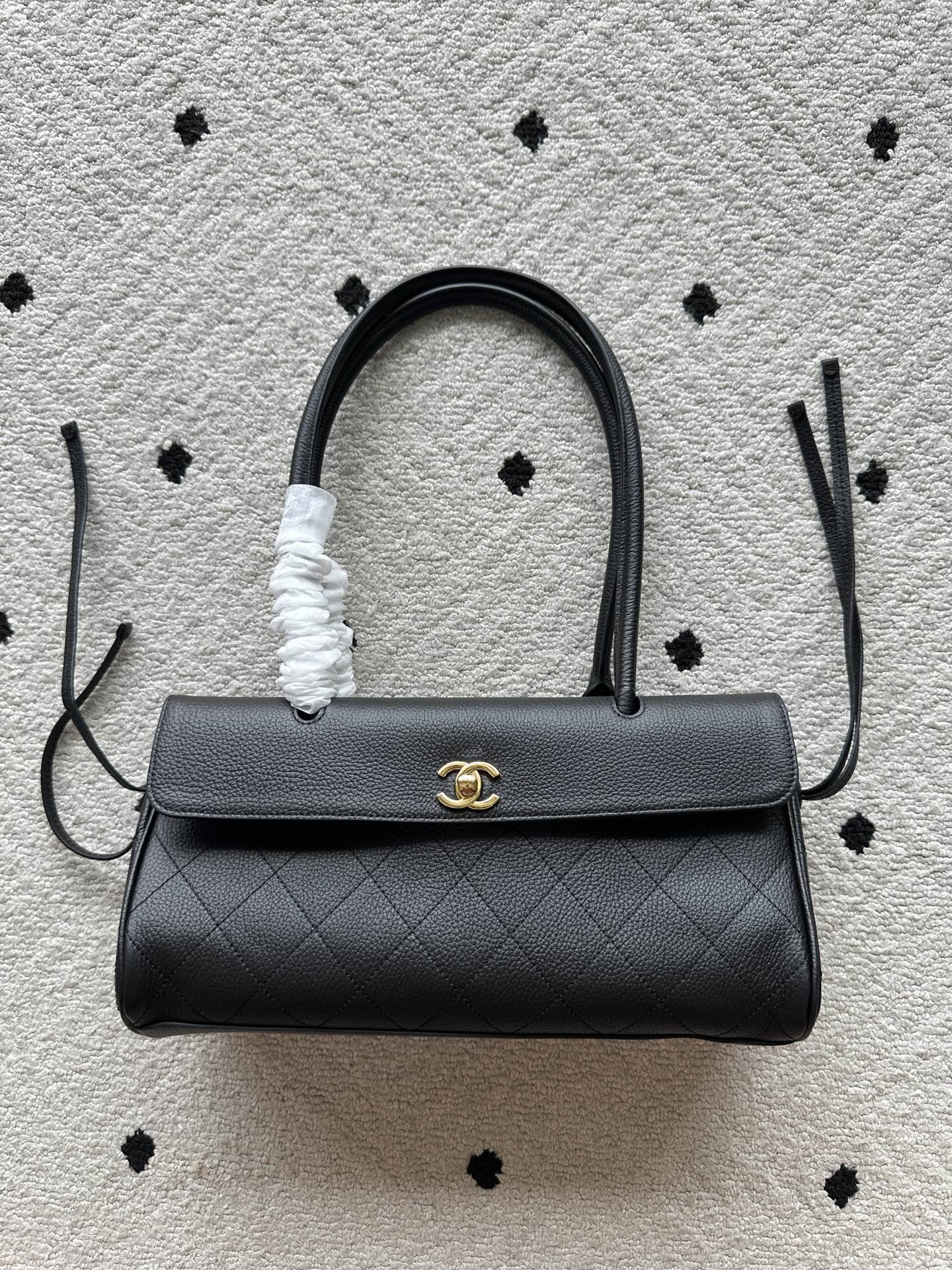
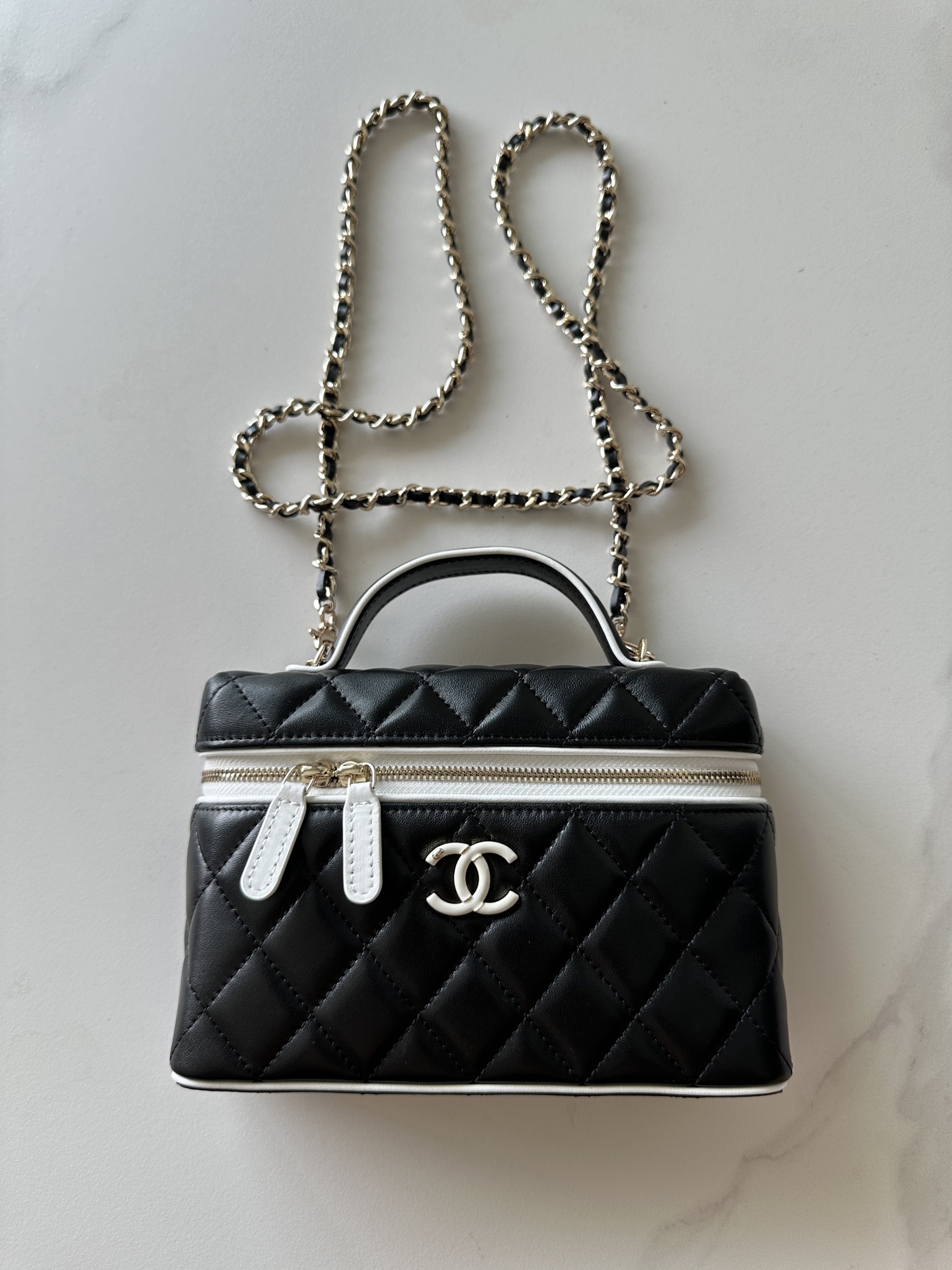
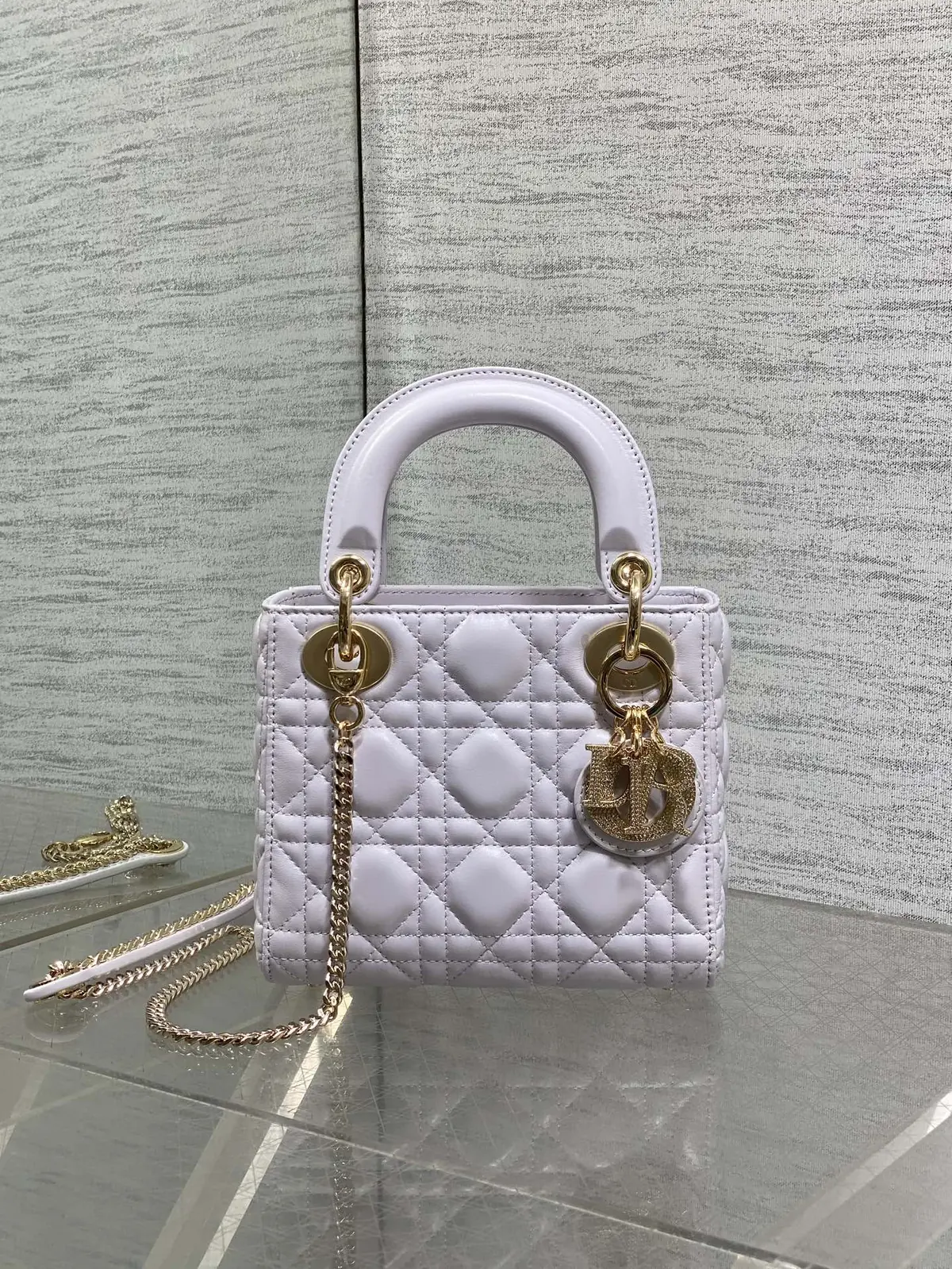
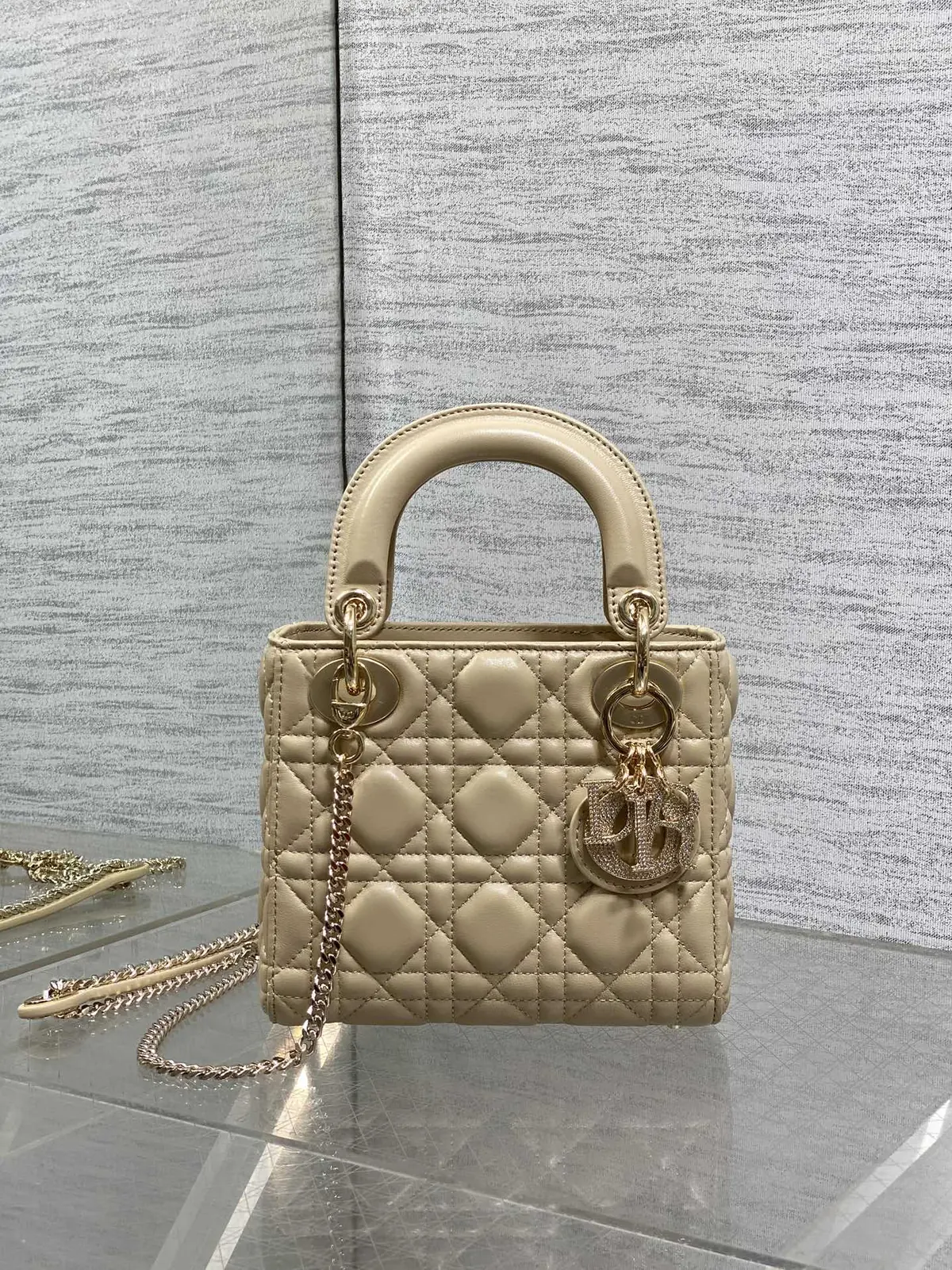
Image references for this topic
Open the matching source-code galleries to compare shape, material, color, close-up details, and visual search cues before making a request.
Search Intent
Pinterest visitors usually arrive with a saved image rather than a clean product name. The useful path is to open one visual landing page, compare the bag shape, then move into an exact source-code gallery. This article supports `/pinterest-bag-lookbook-reference/` as the main landing page for saved bag images.
Suggested Landing Flow
Start from `/pinterest-bag-lookbook-reference/` when the visitor has a broad saved image. Use `/hobo-bag-shape-reference/` for soft shoulder shapes, `/crossbody-bag-strap-layout-guide/` for strap and daily-carry references, `/top-handle-bag-detail-reference/` for structured handle shapes, and `/tote-travel-bag-capacity-reference/` for larger tote or travel pages.
Image Details To Compare
Compare the main silhouette first, then strap or handle placement, leather or canvas surface, side depth, hardware tone, zipper line, flap shape, and color direction. If two pages look close, use the source code printed on the lookbook page as the stable reference.
Related Source-Code Examples
- Open `/lookbook/celine-style-black-leather-hobo-bag-719960/` for a black leather hobo shape reference.
- Open `/lookbook/ysl-style-white-leather-hobo-bag-763078/` for a light hobo bag reference.
- Open `/lookbook/dior-style-crossbody-bag-741841/` for strap layout and daily-carry comparison.
- Open `/lookbook/loewe-style-grey-leather-top-handle-bag-770703/` for a top-handle structure reference.
- Open `/lookbook/goyard-style-beige-tote-bag-759510/` for tote shape and patterned surface comparison.
Publishing Note
Each Pinterest pin should link to one focused page, not only the homepage. Use a broad guide when the image shows a category angle, and use one lookbook page when the pin shows a specific source-code gallery. This keeps external discovery connected to pages that can actually answer the visual request.